

Is Premium Tequila Worth the Extra Cost? 2026 Guide
Table of Contents
- What Actually Makes Premium Tequila Worth the Extra Cost?
- The Difference Between Blanco, Reposado, and Añejo
- Is 100% Blue Agave Tequila Worth It?
- The Diminishing Returns Curve: Where Price Stops Predicting Quality
- Best Tequila for Sipping Neat in 2026: What to Look For
- How to Verify Authenticity and Avoid Overpaying
- The Bottom Line: Is Premium Tequila Worth the Extra Cost?
- Frequently Asked Questions
Last Updated: October 4, 2026
What Actually Makes Premium Tequila Worth the Extra Cost?
Walk into any liquor store and you'll see rows of bottles priced from $20 to $200, all labeled "100% agave." So is premium tequila worth the extra cost? This guide from Self Made Tequila breaks down each one and shows where price stops predicting quality.
The Four Quality Signals That Justify a Higher Price
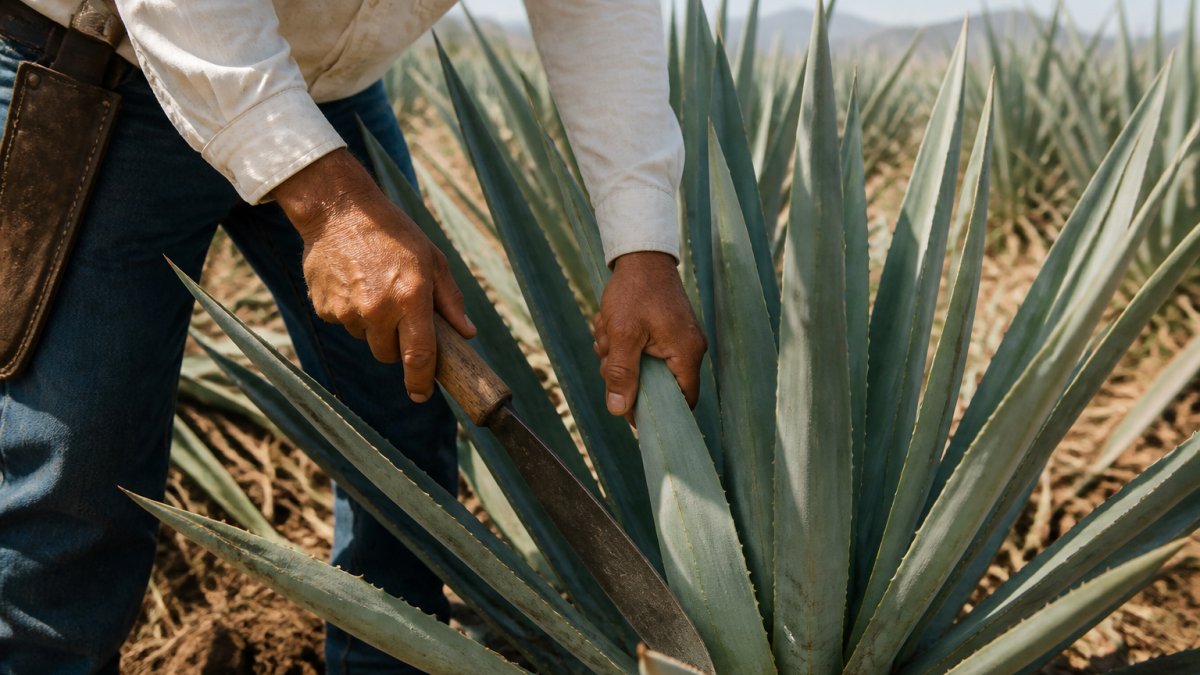
A higher price is justified when it traces back to four things. First, 100% Tequilana Weber Blue Agave: bottles labeled "mixto" can contain up to 49% other sugars, which is why they cost less.
What most guides miss is that only the fourth signal is easy to verify from the label. The first three require research into the NOM (Norma Oficial Mexicana) number printed on every bottle, which identifies the distillery that made it.
The Difference Between Blanco, Reposado, and Añejo
The difference between blanco, reposado, and añejo comes down to aging time, the single biggest driver of price within any brand's lineup.
Style |
Minimum Aging |
Typical Character |
Price Band |
|---|---|---|---|
Blanco |
Unaged to 2 months |
Bright, peppery, raw agave |
Lowest |
Reposado |
2 months to 1 year |
Softer, vanilla and caramel notes |
Mid |
Añejo |
1 to 3 years |
Rounded, oak-forward, dessert-like |
Higher |
Extra Añejo |
3+ years |
Deep, complex, whiskey-adjacent |
Highest |
Aging costs money, but it also changes the spirit's personality: longer barrel time softens the agave's bite and adds oak flavor. That's why the aging process, not the agave itself, often explains a $30 gap between two bottles from the same producer.
The Hidden Economics of Barrel Aging
What most guides skip is the balance-sheet reality behind those price bands.
That math explains why the price gap between categories isn't linear. A reposado might cost 20-30% more than the same brand's blanco, while an extra añejo can cost three to five times as much.
There's also a quality trap inside the aging hierarchy: longer isn't automatically better. Añejo and extra añejo spend enough time in oak that the barrel can dominate the agave, especially with small, heavily charred, or previously used whiskey barrels.
How to Read Aging Claims Like a Buyer
A few practical rules separate a meaningful aging claim from a marketing one:
- Check the minimum, not the average. A bottle labeled "añejo" could be aged 12 months or 35 months. If the producer won't say, assume the minimum.
- Ask what kind of barrel. New American oak, ex-bourbon, French oak, and used wine barrels all produce different results. "Aged in oak" alone tells you almost nothing.
- Watch for the additive shortcut. Some producers use caramel color or sweeteners to mimic the look and mouthfeel of long aging without the barrel time. That's legal within limits, but it means you're paying an añejo price for a shortcut.
- Compare within a brand, not across brands. The aging premium is most transparent when you look at the same producer's blanco, reposado, and añejo side by side.
Is 100% Blue Agave Tequila Worth It?
Yes, 100% blue agave tequila is worth it for sipping, and the label distinction matters more than almost any other factor. Under Mexican rules, a bottle marked "tequila" without "100% agave" can be a mixto, meaning up to 49% of its fermentable sugar comes from non-agave sources.
The trade-off is real, though. A well-made mixto works fine in a margarita, where citrus and sweetness mask imperfections, but the case for 100% agave strengthens as you move toward sipping, where nothing hides flaws.
The Diminishing Returns Curve: Where Price Stops Predicting Quality
Price predicts quality up to a point, then it stops. The first jump in price buys the biggest improvement: better agave, slower cooking, real aging instead of shortcuts.
This is the Diminishing Returns curve, and it's the most useful mental model for tequila buyers. The steep part of the curve is worth climbing. The flat part is where marketing takes over.
Blind Taste Tests and the Marketing Premium
Blind taste tests consistently complicate the luxury narrative. When tasters can't see the label, price and preference often stop lining up, and mid-priced bottles regularly outperform pricier ones. The lesson isn't that expensive tequila is bad, it's that price and quality are correlated, not identical.
Luxury packaging, celebrity backing, and limited releases all raise the price without touching what's in the bottle. A discerning palate learns to separate the two.
Best Tequila for Sipping Neat in 2026: What to Look For
The best tequila for sipping neat in 2026 shares a short list of traits: 100% blue agave, a verified NOM, a reposado or añejo aged but not buried in oak, and a flavor profile balanced from first sip to finish. When you sip neat, you taste everything, so mouthfeel and finish matter as much as aroma.
Self Made Tequila - Reposado →

Look for these markers:
- 100% blue agave on the front label, not just "tequila"
- A reposado or añejo if you want softness, blanco if you want brightness
- Aroma that smells like cooked agave, not just vanilla or sugar
- A finish that fades cleanly, without a harsh ethanol bite
A Blind-Tasting Framework You Can Run at Home
Most sipping guides tell you what to buy, not how to test whether a premium bottle actually beats a mid-range one for your palate. That's the gap worth closing, because the only tasting data that matters for your wallet is your own.
Here's a simple blind protocol you can run with two or three bottles:
- Pick a control. Choose one mid-range 100% agave bottle you know and one premium bottle you're considering. Match them by aging category, blanco against blanco, reposado against reposado, so you're testing price, not style.
- Pour equal measures into identical glasses. A narrow snifter concentrates aroma; a wide tumbler lets ethanol dominate. Consistency matters more than which glass you choose.
- Label the glasses on the bottom, not the top. Have someone else pour and shuffle them so you don't know which is which.
- Nose first, then sip, then wait. Note the first aroma, the mid-palate, and the finish separately. The finish is where cheap spirits fall apart, a harsh, short, or chemically aftertaste is the tell.
- Score on a simple 1-5 scale for aroma, mouthfeel, flavor balance, and finish. Add the scores. Then reveal the labels.
A common pattern in amateur blind tastings is that the mid-range bottle wins on at least one dimension, often aroma or balance, even when the premium bottle wins overall.
What the Data Usually Shows
Across published blind tastings and consumer panels, three patterns show up often enough to be useful:
- Price and preference correlate loosely, not tightly. Above a certain threshold, tasters frequently can't reliably identify the more expensive bottle.
- Aging category matters more than brand tier. A well-made reposado from a mid-tier producer often outperforms a poorly made añejo from a luxury brand.
- Additive-free spirits tend to score higher with experienced tasters and lower with casual drinkers who are used to sweeter, smoother profiles. Neither result is wrong, it depends on what you're calibrated to.
The practical takeaway: run the test yourself before committing to a luxury price. If you can't tell the difference blind, you're paying for the label, the bottle, or the story, a legitimate choice, as long as you know that's what you're buying.
How to Verify Authenticity and Avoid Overpaying
Verification is a five-minute process, and it's the best defense against overpaying. The Consejo Regulador del Tequila official registry lets you confirm that a distillery exists and is certified, which filters out counterfeit and gray-market bottles.
Then run this quick checklist:
- Confirm "100% de agave" appears on the front label
- Check the NOM number against the CRT registry
- Verify the distillery matches the brand's story
- Look for an additive-free statement, and treat it as a claim to verify, not proof
Additive-free production is worth understanding here. Some large producers use small amounts of caramel color or sweeteners to smooth out inconsistencies, which is legal within limits.
The Bottom Line: Is Premium Tequila Worth the Extra Cost?
Premium tequila is worth the extra cost when the price reflects agave quality, careful production, and real aging, and it isn't when it reflects packaging and scarcity.
That's the standard we hold ourselves to at Self Made Tequila. Our spirit is made from 100% blue agave, crafted in Tequila, Mexico without shortcuts, and built for a smooth, refined sipping experience with a clean finish.
Frequently Asked Questions
Does more expensive tequila actually taste better?
Not always. Price reflects aging time, agave sourcing, and production method, but blind taste tests show that past a certain point, higher cost does not guarantee a better sip. A reposado aged eight months can taste smoother and more balanced than an extra añejo aged three years, depending on the barrel and the distiller's skill. Focus on production details and tasting notes rather than the number on the shelf.
How can I tell if a tequila is high quality before buying it?
Check four things on the label: it says 100% blue agave (not just 'tequila'), it lists a NOM number, it names the region (Tequila, Mexico), and it avoids vague terms like 'gold' or 'mixto.' For sipping, look for reposado or añejo expressions from small-batch producers. If the bottle does not disclose its aging time or production method, that is a sign the brand is selling marketing, not liquid.
Is premium tequila better for sipping neat than mixing?
Premium tequila is designed for sipping neat, but that does not mean you cannot mix it. A reposado or añejo with a smooth, clean finish works well in stirred cocktails like an Old Fashioned or a tequila Manhattan. The key is to avoid heavily flavored mixers that mask the agave character. If you are mixing, a blanco or a less expensive reposado will do the job without wasting the nuances of a top-shelf bottle.
Are there health benefits to choosing 100% blue agave tequila?
Tequila made from 100% blue agave does not contain the added sugars or artificial flavorings found in some mixto brands, so it may be a cleaner option if you are watching what you consume. However, all tequila is still alcohol, and moderation matters. The main benefit of 100% blue agave is a more authentic flavor profile and a smoother mouthfeel, not a health claim. Enjoy it responsibly as part of a balanced lifestyle.
The hardest part of buying premium tequila is trusting that the price matches what's in the bottle. Self Made Tequila removes that doubt: 100% blue agave, crafted in Tequila, Mexico without shortcuts, with a rich, fruity, sweet profile and a clean finish made for sipping neat. Whether you choose our Reposado for its approachable smoothness or our Añejo for deeper oak character, you're paying for the liquid, not the legend. Experience Self Made Tequila and taste the difference ambition makes.